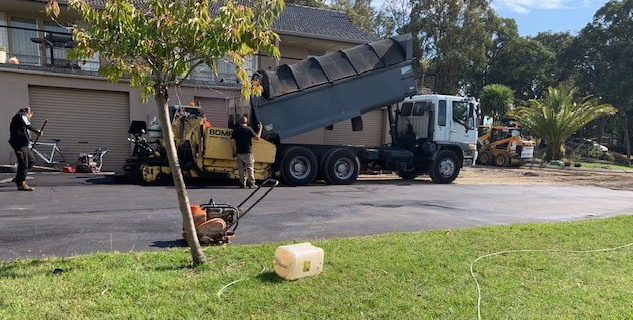
A well-constructed asphalt surface should provide reliable vehicle access, a consistent finish and dependable performance under regular use. However, achieving these results requires more than spreading asphalt across a prepared area. The quality of the finished pavement depends on several interconnected factors, including ground preparation, drainage, material handling, installation techniques and compaction.
For property owners and businesses in Byron Bay, NSW, choosing an experienced asphalt surfacing contractor is an important part of achieving a durable result. Poor workmanship can introduce weaknesses that may not be immediately visible but can eventually contribute to cracking, rutting, potholes and premature surface deterioration.
Understanding what experienced contractors do differently helps explain why professional workmanship matters throughout an asphalt surfacing project.
Asphalt Surfacing Requires More Than a Smooth Finish
A newly installed asphalt surface can look impressive immediately after construction. However, appearance alone does not determine how well the pavement will perform over time.
Asphalt is a flexible pavement material designed to distribute traffic loads through the layers beneath it. Its performance depends heavily on the condition of the supporting pavement, the suitability of the asphalt mix and the quality of installation.
Experienced contractors understand that every stage of construction influences the next. If the foundation is unstable, the surface may deform. If drainage is inadequate, water can weaken the supporting layers. If compaction is inconsistent, the asphalt may deteriorate prematurely.
Professional workmanship focuses on the entire pavement structure rather than simply achieving an attractive surface finish.
1. Proper Ground Preparation Creates a Strong Foundation
One of the most important stages of asphalt surfacing takes place before any asphalt is laid.
The existing ground must be assessed to determine whether it can adequately support the intended pavement. Soft areas, unsuitable material, poor levels and unstable sections can all affect the performance of the finished surface.
Depending on the site, preparation may involve removing unsuitable material, grading the area, installing suitable pavement layers and compacting the base.
Experienced contractors recognise that placing asphalt over an inadequately prepared foundation does not correct the underlying weaknesses.
For driveways, access roads and car parks in Byron Bay, NSW, proper preparation helps establish a stable foundation capable of supporting the traffic expected to use the surface.
2. Experienced Contractors Understand the Importance of Drainage
Water is one of the main factors that can contribute to pavement deterioration.
When rainfall collects on an asphalt surface or enters the supporting layers, it can weaken the pavement and accelerate the development of defects. Over time, this may lead to cracking, potholes, settlement or deformation.
Professional asphalt surfacing involves establishing appropriate surface levels so water can drain away effectively.
Experienced contractors consider:
- The natural slope of the site
- Existing drainage conditions
- Areas where rainfall may collect
- The direction of surface runoff
- Low points and potential water traps
- The relationship between the new pavement and surrounding ground
Correct grading and drainage preparation help prevent water from becoming concentrated in vulnerable areas.
This attention to detail is particularly important because drainage problems can remain hidden until the surface experiences substantial rainfall.
3. Selecting the Right Asphalt for the Intended Use
Not every asphalt surface experiences the same demands.
A residential driveway used by passenger vehicles has different requirements from a commercial access road or a hardstand regularly supporting heavier vehicles.
Experienced contractors consider the intended application when determining the appropriate pavement construction and asphalt specification.
Important factors include vehicle weight, traffic frequency, turning movements and the condition of the supporting pavement.
The asphalt mix, layer thickness and overall pavement design should be suitable for the loads the finished surface will experience.
Using an inappropriate construction method can contribute to premature deformation, particularly in areas subjected to repeated heavy traffic.
Professional workmanship involves matching the pavement to its intended purpose rather than applying the same approach to every project.
4. Asphalt Temperature and Handling Affect Installation Quality
Asphalt installation requires careful coordination because the material must be handled and compacted within an appropriate temperature range.
If asphalt cools excessively before compaction is completed, achieving the required density can become difficult. Poor handling or delays can also affect how consistently the material is placed.
Experienced contractors plan the installation process to maintain suitable working conditions and minimise unnecessary interruptions.
This includes coordinating material delivery, spreading, levelling and compaction.
The objective is to achieve a consistent pavement layer with the required density and surface finish.
Proper material handling is one of the reasons asphalt surfacing benefits from experienced operators and appropriate equipment.
5. Correct Compaction Is Essential for Long-Term Performance
Compaction is one of the most important stages of asphalt installation.
Once the asphalt has been placed, it must be compacted appropriately to reduce air voids and establish the density required for reliable performance.
Insufficient compaction can leave the pavement more vulnerable to moisture penetration, deformation and premature deterioration.
Compaction also needs to be consistent across the surface. Areas that receive inadequate rolling may behave differently under traffic from sections that have been properly compacted.
Experienced contractors understand the importance of roller selection, rolling patterns, asphalt temperature and timing.
Correct compaction helps create a stable, cohesive surface capable of withstanding regular vehicle movements.
6. Accurate Levels and Consistent Thickness Matter
A well-installed asphalt surface should have a consistent profile and appropriate pavement thickness.
Uneven placement can create weak areas, particularly where the asphalt layer becomes thinner than intended. Incorrect levels may also cause water to collect in depressions or create uncomfortable transitions between adjoining surfaces.
Professional contractors use appropriate equipment and installation techniques to control the finished levels and thickness of the asphalt.
This helps achieve a smoother driving surface while maintaining the structural requirements of the pavement.
For asphalt driveways and access areas in Byron Bay, NSW, attention to levels is particularly important around entrances, turning areas and connections with existing pavement.
7. Proper Joint Construction Helps Prevent Weak Points
Asphalt surfaces sometimes need to be installed in separate sections, creating joints where newly placed material meets an adjoining section.
These joints require careful preparation and construction.
Poorly formed joints can become vulnerable to cracking, separation and water penetration. Once moisture enters through a weakened joint, it may begin affecting the pavement underneath.
Experienced asphalt contractors understand how to prepare and compact joints to achieve a suitable connection between adjoining sections.
Although joints may seem like a relatively small detail, their construction can have a significant influence on the overall performance of the pavement.
8. Experienced Workmanship Reduces the Risk of Premature Defects
Many asphalt problems develop because one or more stages of construction were not completed appropriately.
Examples include:
- Cracking caused by movement within an unstable foundation
- Rutting associated with inadequate pavement support
- Potholes developing where water enters weakened areas
- Surface deformation caused by insufficient compaction
- Water pooling due to incorrect surface levels
- Edge deterioration where adequate support is missing
- Premature surface wear associated with unsuitable installation conditions
Not every asphalt defect results from poor workmanship. Traffic demands, ageing, environmental exposure and changing site conditions can also contribute.
However, careful construction helps reduce avoidable weaknesses and gives the pavement a better foundation for long-term performance.
9. Professional Contractors Know When Existing Surfaces Need Additional Work
Asphalt resurfacing is not always as simple as installing a new layer over an existing pavement.
Before resurfacing, the condition of the current surface and supporting structure should be assessed.
An ageing asphalt surface may remain structurally suitable and require only appropriate repairs and preparation before resurfacing.
However, deep rutting, widespread cracking, repeated potholes or significant settlement may indicate underlying problems.
Experienced contractors can identify when localised base repairs, drainage improvements or reconstruction are necessary before the new asphalt is installed.
This helps prevent unresolved defects from affecting the renewed surface.
The aim is to select a treatment that addresses the condition of the pavement rather than simply covering visible deterioration.
10. Attention to Detail Improves the Finished Surface
Experienced asphalt workmanship is also reflected in the smaller details of a completed project.
These include maintaining consistent surface levels, creating suitable transitions, supporting pavement edges and achieving a uniform finish.
A driveway or access road should allow vehicles to move across the surface comfortably without unnecessary bumps, abrupt changes in level or poorly formed low points.
Edges should also receive appropriate attention because unsupported sections can become vulnerable to cracking and deterioration under repeated vehicle movements.
Careful finishing contributes to both the appearance and practical performance of the asphalt.
Why Professional Asphalt Surfacing Is Valuable for Property Owners
A properly constructed asphalt surface can provide several practical benefits for residential and commercial properties.
These include:
- Smoother and more consistent vehicle access
- A durable surface suited to regular traffic
- Reduced loose material compared with unsealed areas
- Improved surface drainage when correctly designed
- A neat and consistent appearance
- Easier identification of developing pavement defects
- A surface that can be maintained and repaired as required
Achieving these benefits depends on selecting the appropriate construction method and ensuring that each stage is completed correctly.
Professional asphalt surfacing is therefore not simply about installing a new surface. It involves creating a pavement that is appropriate for the property and its intended use.
How Can You Tell Whether an Asphalt Contractor Has the Right Experience?
Before arranging asphalt surfacing, it is useful to understand how the contractor intends to approach the work.
A knowledgeable contractor should be able to explain why particular preparation methods are required and how the proposed pavement will accommodate the intended traffic.
Useful questions include:
- How will the existing ground or pavement be assessed?
- What preparation is required before asphalt installation?
- How will drainage be managed?
- Is the proposed pavement suitable for the expected vehicle traffic?
- How will asphalt thickness and compaction be controlled?
- Are any existing defects likely to require deeper repairs?
- How will edges, joints and transitions be finished?
Clear explanations demonstrate that the contractor is considering the performance of the complete pavement rather than focusing exclusively on the visible surface.
Why Early Planning Produces Better Asphalt Surfacing Results
Good asphalt construction begins with understanding the site before work starts.
Access requirements, traffic movements, drainage, existing pavement condition and the intended use of the finished surface should all influence the preparation and installation process.
Planning allows potential problems to be identified before they become part of the completed pavement.
For example, an existing low point may need to be corrected, an unstable section may require additional preparation, or a frequently used turning area may need a pavement structure suited to concentrated traffic loads.
Addressing these considerations during construction is more effective than attempting to correct avoidable problems after the asphalt has been installed.
Conclusion
Experienced workmanship is essential for asphalt surfacing because the quality of the finished pavement depends on far more than its appearance. Ground preparation, drainage, asphalt selection, material handling, compaction, surface levels and joint construction all contribute to how effectively the pavement performs.
When these stages are completed correctly, asphalt can provide a durable, consistent and practical surface for driveways, access roads, car parks and other trafficable areas. Poor preparation or installation, however, can introduce weaknesses that may eventually lead to cracking, rutting, potholes and premature deterioration.
Choosing an experienced contractor helps ensure that the work is planned around the actual site conditions and the demands placed on the pavement.
Byron Bay Asphalt & Bitumen Surfacing provides professional asphalt and bitumen surfacing services in Byron Bay, NSW. If you are planning a new asphalt surface or considering resurfacing an existing area, contact our team to discuss your requirements and arrange an assessment of the site.
Call us on: 02 5121 9090
Click here to find out more about Byron Bay Asphalt & Bitumen Surfacing
Click here to complete our contact form and see how we can help with your Asphalt and Bitumen Surfacing needs.